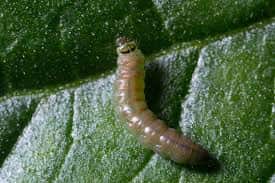
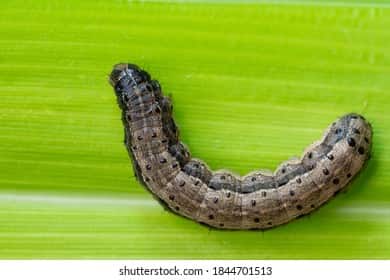
Spodoptera frugiperda
Fall Armyworm
A major crop pest that damages maize and other staple crops, increases control costs, and deepens household production risk.
Regions: Eastern Africa, Southern Africa, West Africa
Learn More
The library helps users move from recognition to understanding, and from understanding to informed response.
Library
The library is organized around the problem each species creates in Africa, so the information stays useful to researchers, policymakers, educators, journalists, and the public.
Showing 6 species

Spodoptera frugiperda
A major crop pest that damages maize and other staple crops, increases control costs, and deepens household production risk.
Regions: Eastern Africa, Southern Africa, West Africa
Learn More
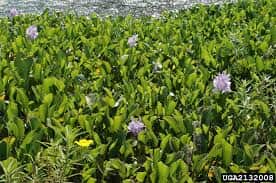
Eichhornia crassipes
Dense mats choke waterways, disrupt fisheries, reduce oxygen levels, and interfere with transport, irrigation, and hydropower systems.
Regions: East Africa, Great Lakes Region, Southern Africa
Learn More
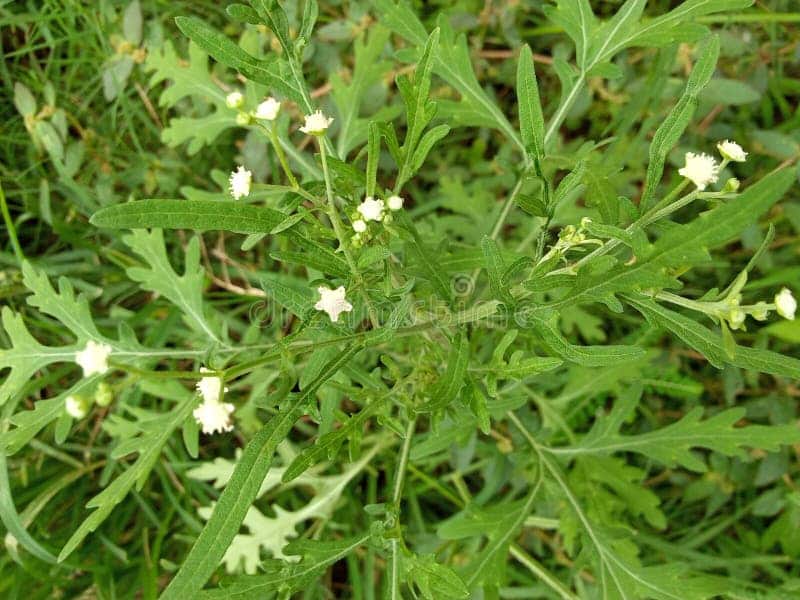
Parthenium hysterophorus
This weed suppresses forage species, affects biodiversity, and can create public and animal health concerns where infestations become widespread.
Regions: Eastern Africa, Horn of Africa, Southern Africa
Learn More
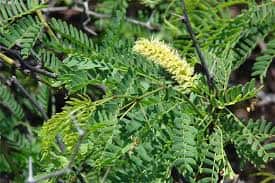
Prosopis juliflora
Mathenge, also known as Prosopis juliflora, transforms rangelands, suppresses native vegetation, affects livestock movement, and deepens livelihood pressure in already fragile dryland systems.
Regions: Horn of Africa, Sahel, Eastern Africa
Learn More
Tuta absoluta
A serious horticultural pest that can cause severe losses in tomato production and disrupt income for growers and market systems.
Regions: North Africa, Eastern Africa, West Africa
Learn More
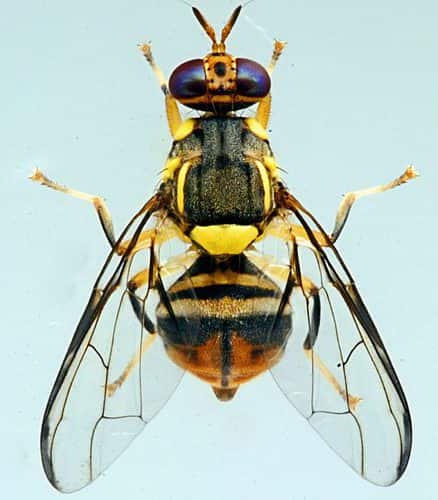
Bactrocera dorsalis
An invasive fruit pest that affects yield, market access, and trade compliance across important horticultural value chains.
Regions: Eastern Africa, West Africa, Southern Africa
Learn MoreHow to use this library
The library is built for people who need more than a name. Each profile explains where the species came from, how it spreads, what it affects, why it matters in Africa, and which response options are relevant.
Overview and origin
A clear summary of what the species is, where it originated, and why it has become a concern in African landscapes or production systems.
Spread and affected systems
Short explanations of how the species moves and which crops, ecosystems, water systems, or livelihoods are directly affected.
Impacts and response
Plain-language explanation of the main ecological, economic, livelihood, or health impacts, followed by practical management options and limitations.
Additional DOCX watchlist
These items come from the source document and now sit in the library as a structured watchlist until each receives a full species detail page, image, and management note.
Stored grain pest
Prostephanus truncatus
A serious invasive pest introduced from Central America that can reduce stored grain to pulp, creating post-harvest food security and household income risk.
Soil-borne crop pest
Globodera spp.
Microscopic soil-dwelling roundworms that are highly destructive to potatoes and difficult to manage once established in production landscapes.
Horticultural fruit pest
Bactrocera zonata
An Asian fruit fly species relevant to African horticulture because fruit fly invasions can damage yields and restrict market access.
Horticultural fruit pest
Bactrocera latifrons
A fruit fly species associated with vegetable and fruit systems, included in the DOCX as part of the wider horticultural invasion problem.
Parasitic weed
Striga hermonthica
A parasitic weed native to parts of East Africa that can reduce maize yields at very large economic scale and affect millions of livelihoods.
Invasive plant
Chromolaena odorata
An invasive plant highlighted for biodiversity loss because it can displace native flora and alter habitats.