Skip to content
CISA
CISA
Centre for Invasive
Species Africa
Open mobile navigation
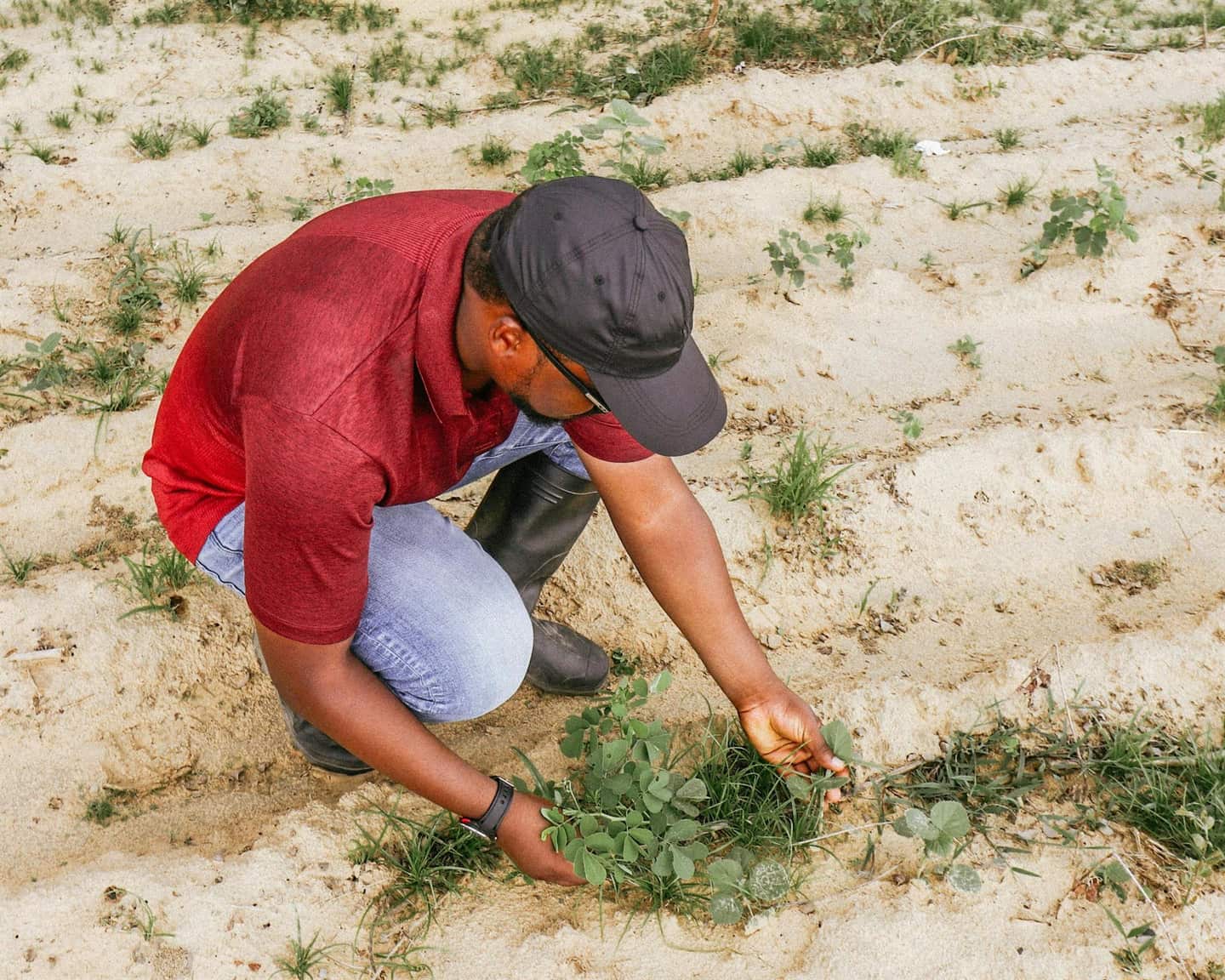
Hands-on community field action around a cleared area showing coordinated environmental response work.
Response methods

Management options need to be evidence-based, bounded, and practical

CISA presents response methods as a serious decision space including mechanical, chemical, biological, cultural, legislative, and integrated management approaches.

Response methods

Practical management options need to be clear, comparable, and realistic on the ground.

CISA explains the main response paths people need to understand: mechanical, chemical, biological, cultural, legislative, and integrated management.

Mechanical managementChemical managementBiological controlCultural managementLegislative and regulatory actionIntegrated management
Control

Mechanical management

Physical removal, trapping, cutting, harvesting, or habitat clearing can reduce invasive populations where direct intervention is feasible.

Best used when

Most effective where infestation is localized, access is possible, and follow-up maintenance can be sustained.

Watchpoints

Labour-intensive methods can fail without long-term maintenance and safe disposal planning.

Mechanical management
Control

Chemical management

Chemical tools may be used selectively where evidence supports them and where application, safety, and regulatory oversight are adequate.

Best used when

Relevant in some high-burden agricultural or weed-control contexts with professional supervision and monitoring.

Watchpoints

Requires stewardship to avoid environmental harm, resistance pressure, and misuse.

Chemical management
Suppression

Biological control

Natural enemies can provide sustained pressure against invasive species where careful testing and regulatory approvals support safe deployment.

Best used when

Often valuable for invasive weeds or aquatic species where long-term suppression is needed.

Watchpoints

Needs strong scientific assessment, monitoring, and institutional oversight.

Biological control
Integrated response

Integrated management

Combines mechanical, chemical, biological, cultural, and legislative tools into a coordinated programme aligned with ecology and implementation capacity.

Best used when

Best for complex, persistent, or landscape-scale invasions affecting multiple sectors.

Watchpoints

Coordination failure can undermine otherwise sound technical strategies.

Integrated managementLegislative and regulatory actionCultural management

Decision context

Response is not a menu of isolated tools. It is a decision space.

Good management depends on the species, the landscape, the scale of spread, the institutional setting, and the resources available for follow-through. This page helps people compare methods without pretending that one option always fits every situation.

Mechanical methods

Useful where direct removal is feasible, but they can fail quickly without maintenance, labour, or safe disposal planning.

Chemical methods

Can be appropriate in some settings, but they need professional oversight, safety discipline, and evidence that use is justified.

Biological and cultural methods

Often matter most where long-term suppression, land stewardship, and ecological fit are more important than short-term removal alone.

Integrated management

Usually the most realistic path for complex invasions because it links multiple tools with institutions, monitoring, and long-term recovery.

Detailed method checklist

The practical sub-methods people need to compare before acting.

These details draw from the source document and give field teams, educators, and decision-makers a more concrete view of what response can involve.

Mechanical control

  • Physical removal
  • Trapping and hunting
  • Cutting and mowing
  • Barriers and fencing
  • Safe disposal and follow-up maintenance

Chemical control

  • Herbicides for invasive plants
  • Pesticides and insecticides for invasive pests
  • Careful application to reduce harm to native species and the environment
  • Resistance-aware use where repeated treatments are likely

Biological control

  • Natural predators
  • Parasites
  • Species-specific pathogens or diseases
  • Regulated testing and post-release monitoring

Cultural and habitat management

  • Restoring native vegetation
  • Changing land-use practices to favor native species
  • Managing water levels in wetlands and aquatic systems
  • Reducing disturbance that helps invasives establish

Legislative and preventive action

  • Quarantine and inspection
  • Regulations on importing plants, animals, soil, and planting material
  • Early reporting and public education
  • Cross-border coordination and movement controls

Integrated and campaign response

  • Integrated pest management
  • Regular monitoring
  • Adaptive management based on results
  • Eradication campaigns in defined areas
  • Government, community, and partner coordination