Skip to content
CISA
CISA
Centre for Invasive
Species Africa
Open mobile navigation
Two people standing in a cultivated field under low visibility, suggesting climate and agricultural stress.
Ecosystem and livelihood impacts

A problem that cuts across biodiversity, agriculture, health, and rural economies

This section explains the real problem space: ecosystem and livelihood impacts, crop pests and crop diseases, human and animal disease vectors, and invasive weeds.

Impact areas

The problem moves across ecosystems, food systems, health, trade, and local livelihoods

Invasive species do not stay in one sector. The effects spread quickly and often hit vulnerable communities first.

Ecosystems and biodiversity

Ecological disruption accumulates before recovery options narrow.

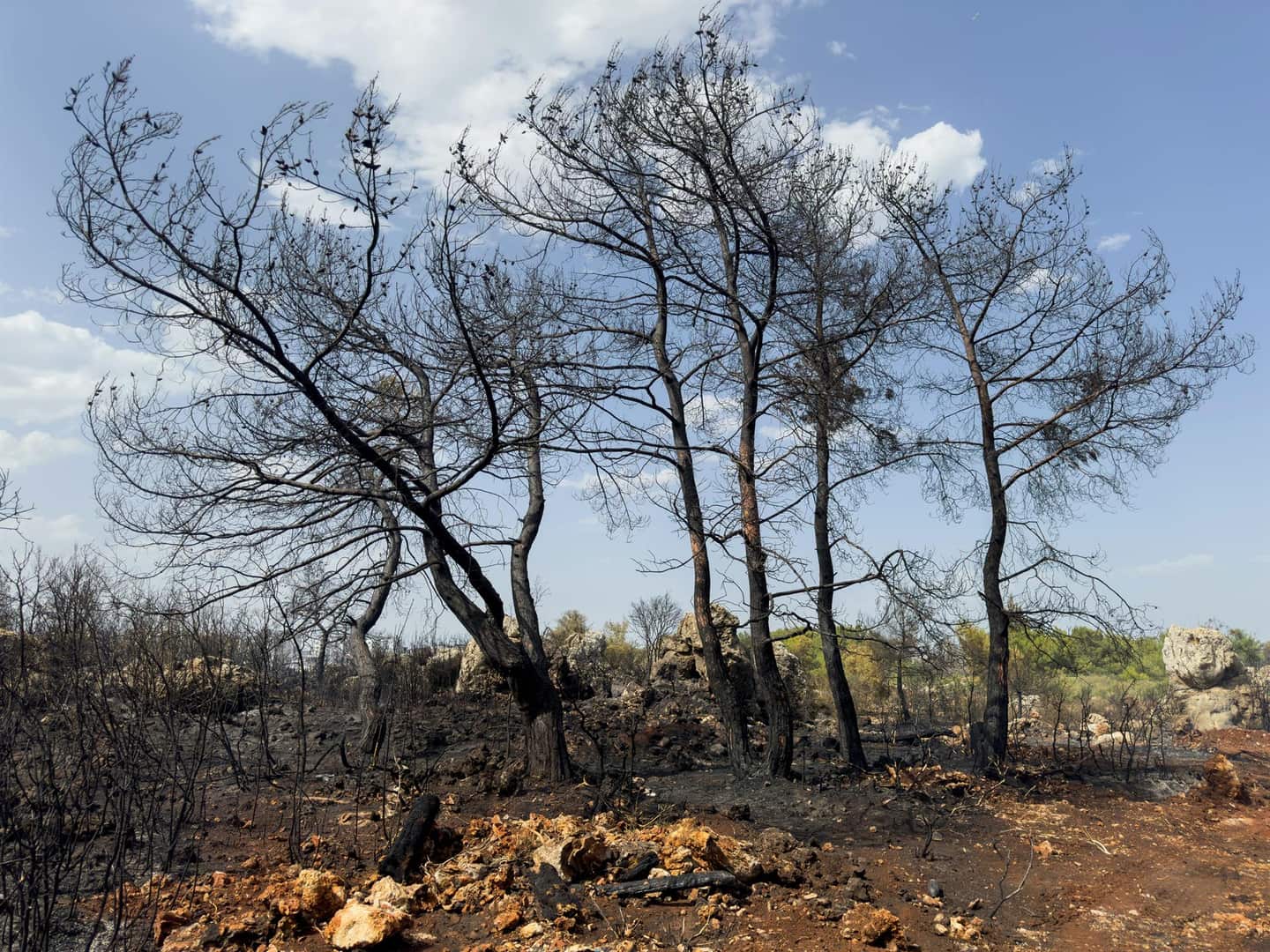
Invasive species alter habitats, displace native species, change fire regimes, degrade water systems, and weaken ecosystem services that communities rely on.

Livelihoods and food systems

Household vulnerability rises when ecological pressure becomes production pressure.

Crop pests, invasive weeds, and degraded grazing or water systems create direct economic strain for farmers, fishers, and pastoral communities.

Crop pests and crop diseases

Pest pressure quickly becomes a food security problem.

Agricultural invasions increase yield loss, raise control costs, and challenge extension systems that must support timely and practical response.

Human and animal health

Environmental change and health risk often move together.

Disease vectors and degraded ecological systems can intensify exposure risk for both people and livestock, especially where surveillance and services are limited.

Continental exposure

Over 70%

The DOCX brief frames invasive species as affecting more than 70% of the African continent, underscoring why CISA treats this as a continental readiness issue.

Economic pressure

Billions annually

Damage and management costs can run into billions each year through yield loss, ecosystem degradation, control costs, and disrupted livelihoods.

Trade risk

Market access

Fruit flies, quarantine pests, and contaminated movement pathways can restrict agricultural trade, limiting trade opportunities and increasing compliance burdens for producers and exporters.

Crop pests and crop diseases

Some invasive threats move as diseases, vectors, and hidden pathways

The DOCX highlights that crop risk is not only visible insects on crops. Viruses, thrips, aphids, psyllids, and contaminated movement pathways can turn invasion into disease and trade pressure.

Maize chlorotic mottle virus (MCMV), sugarcane mosaic virus, and corn thrips

Maize lethal necrosis pathway

The DOCX links maize chlorotic mottle virus (MCMV) with sugarcane mosaic virus in maize lethal necrosis risk, with corn thrips contributing to transmission pathways.

Tomato spotted wilt virus and western flower thrips

Tomato spotted wilt pathway

Western flower thrips can transmit tomato spotted wilt virus, showing how invasive insect vectors can turn pest spread into crop disease pressure.

Iris yellow spot virus, onion thrips, banana bunchy top virus, and banana aphid

Onion and banana virus pathways

The DOCX identifies thrips and aphids as important vectors for crop disease threats affecting onion and banana systems.

Citrus psyllid and huanglongbing

Citrus greening pathway

Citrus psyllid can transmit citrus greening disease, also known as huanglongbing, creating serious risk for citrus production systems.

Human and animal disease vectors

Health risks can be connected to ecological change

Named vector examples help connect ecological disruption to concrete public and animal health risks across affected regions.

Aedes aegypti and Aedes albopictus

Aedes mosquitoes

These mosquitoes can transmit dengue, Zika, chikungunya, and other viruses. Aedes albopictus is widely known as the Asian tiger mosquito and is described in the DOCX as one of the world's most invasive mosquitoes.

Parthenium hysterophorus and Anopheles gambiae

Parthenium and malaria vector habitat

The DOCX notes that Parthenium can sustain the malaria-transmitting mosquito Anopheles gambiae by acting as a sugar source, which links weed invasion with public health risk.

Why the impacts compound

Invasive species often arrive in places where institutions, ecosystems, and households are already under pressure. That means the damage is rarely isolated. A crop pest can become a food security issue. A weed can become a grazing and health issue. An aquatic invasive can become a transport, fisheries, and hydrology issue.

Impacts on biodiversity often appear before the full economic cost is visible in public reporting.

Smallholder farmers, pastoral communities, and people who rely directly on land and water often feel the pressure earliest.

Trade, quarantine, and movement systems can turn a biological problem into a governance and market-access problem.

Delayed response usually makes control more expensive and recovery more uncertain.

Why this matters

Invasive species are not only a conservation concern. They affect production, household resilience, public health, institutional capacity, and the long-term stability of ecosystems that support livelihoods across Africa.