Surveillance and Early Warning
Builds regional intelligence, field detection workflows, and reporting standards for priority invasive threats across agricultural, freshwater, and rangeland systems.
Surveillance systemsDiagnostics
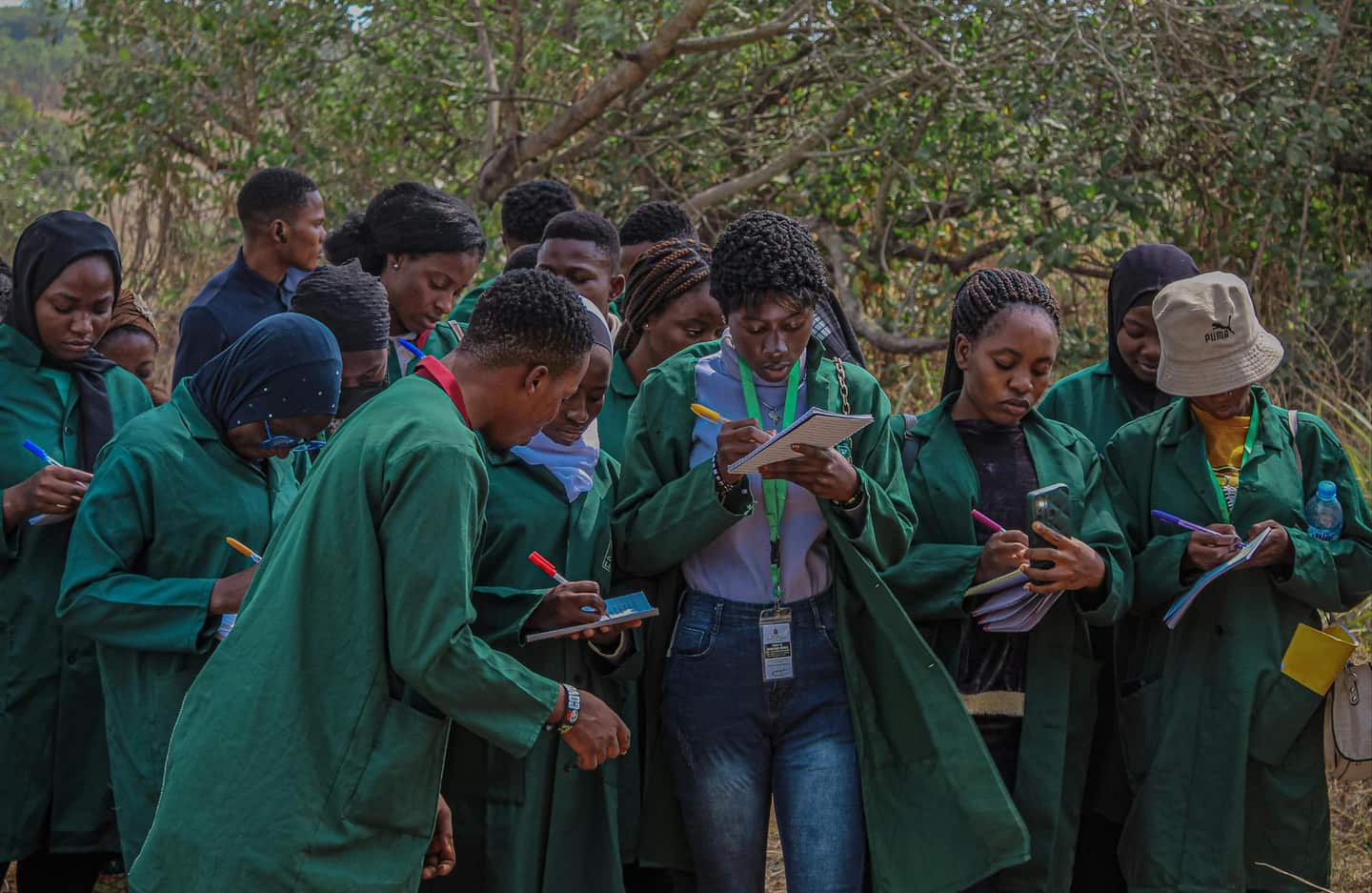
CISA exists to improve how Africa understands, prepares for, and responds to invasive species threats through credible evidence and practical coordination.
What CISA deals with
These species can spread quickly and harm crops, grazing land, rivers, lakes, wildlife, and natural ecosystems. They can also affect human and animal health, reduce incomes, and make life harder for communities that depend on land and water.
That is why CISA works on research, awareness, partnerships, and action. The goal is simple: help people understand the threat, work together, and respond in ways that protect biodiversity, livelihoods, and the future of African landscapes.
What CISA does
CISA brings together research, public education, partnerships, and practical response support.
Surveillance and Early Warning
Builds regional intelligence, field detection workflows, and reporting standards for priority invasive threats across agricultural, freshwater, and rangeland systems.
Knowledge and Policy Translation
Converts invasion science into policy briefs, practical methods guidance, public education resources, and decision-ready communication.
Field Response and Restoration
Supports multi-partner action on mechanical, biological, cultural, and integrated management approaches linked to recovery and reinvasion prevention.
Approach
The model is straightforward: detect early, assess clearly, respond practically, and share usable knowledge.
Detect
Build local and regional intelligence systems that can identify priority species before spread becomes more costly.
Assess
Classify the threat, understand ecosystem and livelihood implications, and identify sectors requiring immediate attention.
Respond
Deploy mechanical, chemical, biological, cultural, legislative, and integrated management strategies as appropriate.
Inform
Share public-facing and technical knowledge so education, policy, and action stay aligned.
Collaborators
CISA is strongest when research institutes, nonprofit actors, technical partners, and public-facing institutions work together.
Research institute
Food security, livelihoods, human health, animal health, plant health, and environmental health through applied African science.
Region: Africa and global research network
Role: Illustrates the value of science-based institutions that connect world-class knowledge, environmentally responsible solutions, African scientific capacity, and practical transfer of strategies to end users.
Agricultural research institute
Agricultural innovation for hunger, malnutrition, poverty, employment, food security, and natural resource integrity across sub-Saharan Africa.
Region: Sub-Saharan Africa
Role: Shows how invasive species work connects to crop systems, food and nutrition security, livelihoods, and the wider CGIAR research ecosystem.
International nonprofit science organization
Scientific expertise, knowledge sharing, agricultural information, pest and disease response, biodiversity protection, and access to environmental knowledge.
Region: International member-country network
Role: Relevant to CISA because CABI works at the intersection of invasive species, food security, environmental protection, publishing, microbial services, and applied development projects.
Research consortium
Joint research, diagnostics, graduate training, and species intelligence.
Region: Pan-African
Role: Supports evidence generation, taxonomic expertise, and technical training.
Technical nonprofit partner
Plant health, surveillance systems, farmer-facing knowledge, and policy support.
Region: Eastern and Southern Africa
Role: Bridges research, extension, and implementation for crop-related invasive threats.
Implementation network
Aquatic invasive management, restoration planning, and community monitoring.
Region: Great Lakes and river basin systems
Role: Coordinates field action and local monitoring around freshwater systems.
Science-policy platform
Biosecurity governance, standards, legislation, and cross-border response coordination.
Region: Pan-African
Role: Translates evidence into regulatory and institutional action.