Aquatic species
Water Hyacinth
Dense mats choke waterways, disrupt fisheries, reduce oxygen levels, and interfere with transport, irrigation, and hydropower systems.
Learn More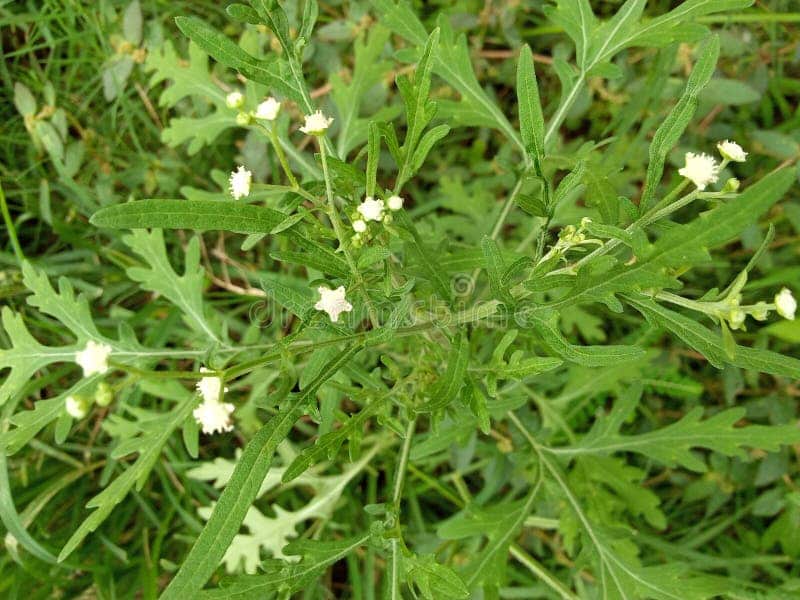
This weed suppresses forage species, affects biodiversity, and can create public and animal health concerns where infestations become widespread.
Overview
Parthenium is an aggressive invasive weed that colonizes roadsides, grazing land, cropland margins, and disturbed habitats, often spreading rapidly once established. It is also linked in the DOCX brief to public health concerns because it may support the malaria vector Anopheles gambiae as a sugar source.
Spread
The species spreads through prolific seed production, contaminated materials, vehicle movement, and disturbed soils that allow rapid establishment.
Affected crops or ecosystems
Why it matters in Africa
These points connect the species to real African systems, livelihoods, and institutional pressures.
Point 1
The plant often thrives in the kinds of disturbed landscapes common around roads, settlements, and agricultural areas.
Point 2
Its health implications make it both an ecological and human-centered issue.
Point 3
It illustrates why weed management must be linked to public education and land stewardship.
Impacts
These are the main ways this species affects real systems, communities, and response capacity.
Reduces forage availability and competes with native or useful plant species.
Can contribute to dermatitis and respiratory irritation in exposed communities.
Can affect livestock health and milk or meat quality where exposure becomes significant.
May sustain Anopheles gambiae mosquitoes, linking invasive weed management with malaria-risk awareness.
Makes landscape restoration and weed management more complex over time.
Response and management options
No single tool solves the problem. These are the main management options associated with this species.
Mechanical removal before seed set
Biological control where appropriate
Cultural management and land rehabilitation
Integrated weed management and awareness campaigns
Response summary
Control works best when weed removal, biological options, public awareness, and site rehabilitation are combined.
Related species
Compare related threats across categories and move between profiles.
Aquatic species
Dense mats choke waterways, disrupt fisheries, reduce oxygen levels, and interfere with transport, irrigation, and hydropower systems.
Learn MoreInvasive weeds
Mathenge, also known as Prosopis juliflora, transforms rangelands, suppresses native vegetation, affects livestock movement, and deepens livelihood pressure in already fragile dryland systems.
Learn More