Invasive weeds
Parthenium
This weed suppresses forage species, affects biodiversity, and can create public and animal health concerns where infestations become widespread.
Learn More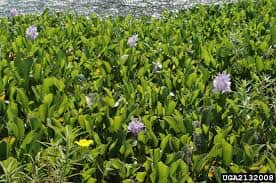
Dense mats choke waterways, disrupt fisheries, reduce oxygen levels, and interfere with transport, irrigation, and hydropower systems.
Overview
Water Hyacinth forms dense floating mats that can cover lakes, rivers, reservoirs, and canals, rapidly changing how freshwater systems function.
Spread
It spreads through vegetative growth, fragmentation, and movement along connected water systems, often expanding where nutrient loads are high.
Affected crops or ecosystems
Why it matters in Africa
These points connect the species to real African systems, livelihoods, and institutional pressures.
Point 1
Many livelihoods depend directly on healthy freshwater systems and mobility across lakes and river corridors.
Point 2
Dense infestations can quickly become a regional issue because water bodies are connected.
Point 3
Its management requires coordination between ecological restoration and public infrastructure concerns.
Impacts
These are the main ways this species affects real systems, communities, and response capacity.
Blocks boat movement and reduces access to fishing grounds and shoreline use.
Alters water quality and ecosystem function in lakes and rivers.
Increases maintenance burdens for water infrastructure and hydropower systems.
Response and management options
No single tool solves the problem. These are the main management options associated with this species.
Mechanical removal and biomass management
Biological control
Catchment and nutrient management
Long-term monitoring and coordinated basin response
Response summary
Management often combines mechanical removal, biological control, catchment management, and continuous monitoring.
Related species
Compare related threats across categories and move between profiles.
Invasive weeds
This weed suppresses forage species, affects biodiversity, and can create public and animal health concerns where infestations become widespread.
Learn MoreInvasive weeds
Mathenge, also known as Prosopis juliflora, transforms rangelands, suppresses native vegetation, affects livestock movement, and deepens livelihood pressure in already fragile dryland systems.
Learn More