Researchers
Find species information, taxonomy, spread patterns, impacts, and linked response methods.

The knowledge library organizes reports, methods guidance, policy briefs, species references, and educational material in ways that are useful to different audiences.
Who it serves
The knowledge library helps people find the right resource quickly instead of forcing them through a generic content archive.
Researchers
Find species information, taxonomy, spread patterns, impacts, and linked response methods.
Policymakers
Understand what the priority species are, where they matter, and how different response options compare.
Donors and funders
Assess the seriousness of the issue, the knowledge depth of the institution, and credible points of action.
Educators and communicators
Access accurate, teachable species pages and clear explanations of impacts and response options.
Journalists and the public
Understand the main invasive species quickly and find trustworthy background for deeper reporting or learning.
Library
This is a resource discovery area built around evidence, methods, and policy relevance.
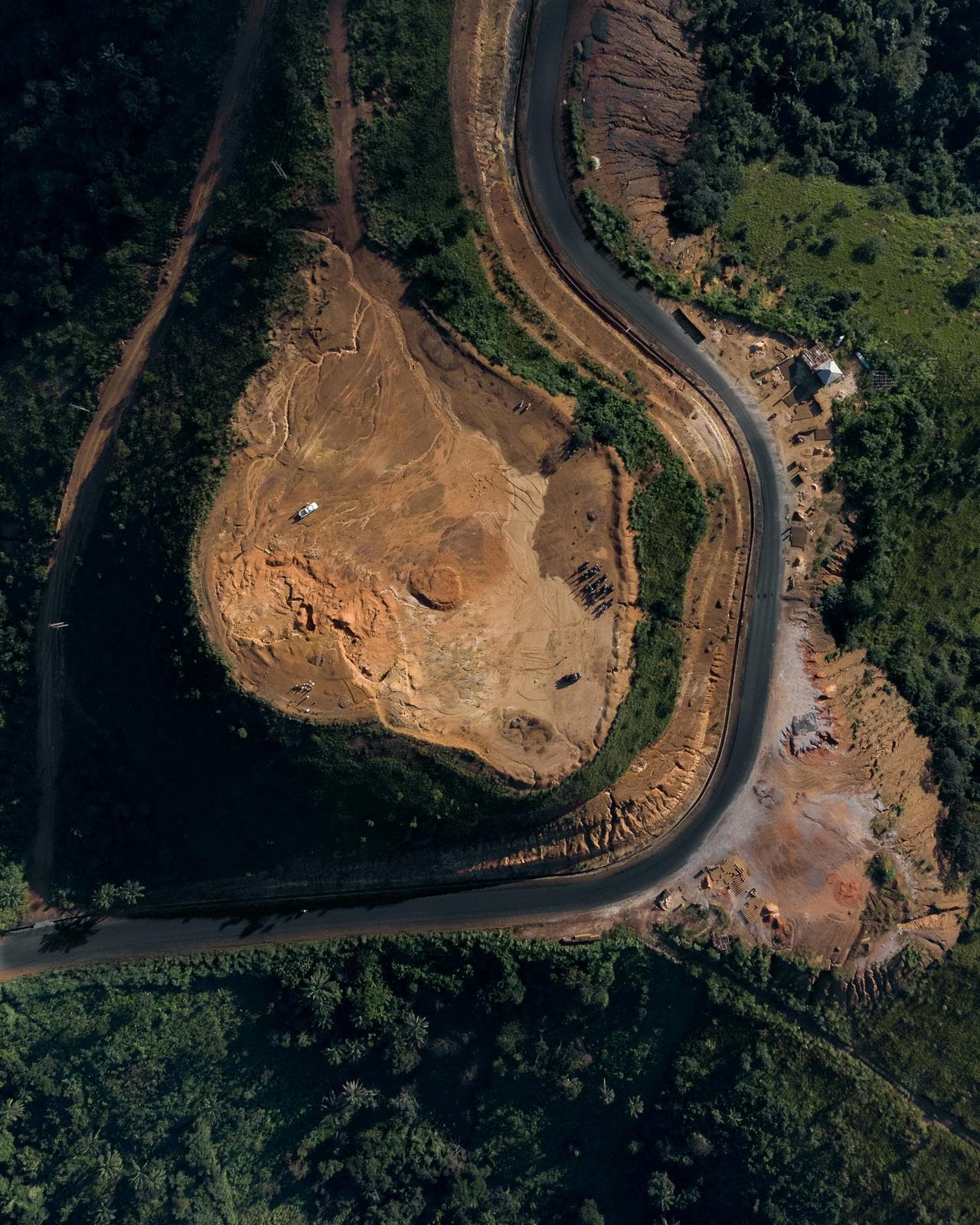
A strategic overview of high-risk pathways, vulnerable ecosystems, and readiness gaps relevant to governments, regional bodies, and research institutions.
Audience: Researchers, Policymakers, Partners
Open resource
A practical guide to field observation, sample handling, and reporting structures for aquatic weeds, crop pests, and local monitoring teams.
Audience: Researchers, Practitioners, Educators
Open resource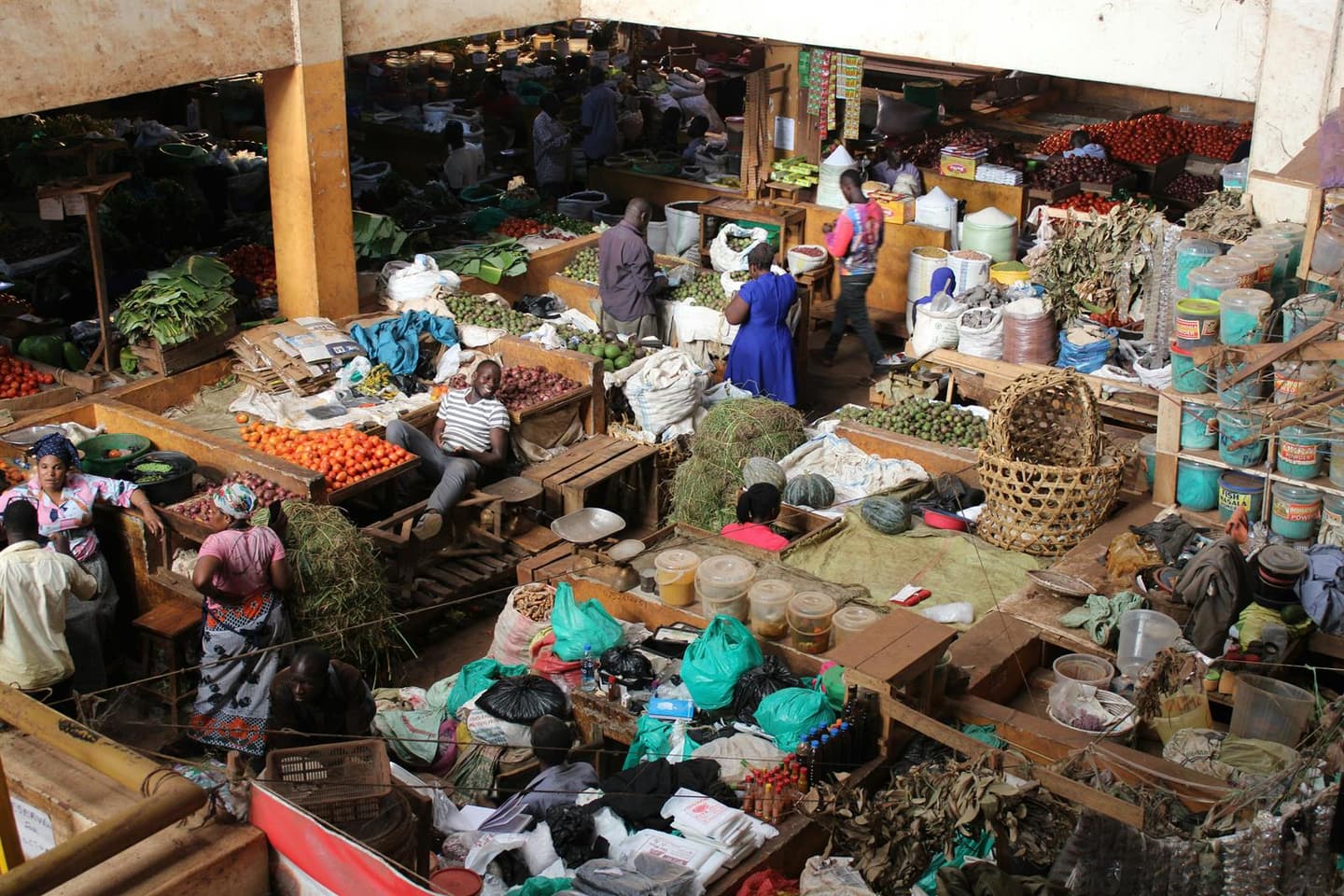
Decision-oriented recommendations for linking invasive species response with trade systems, rural resilience, and practical regulation.
Audience: Policymakers, Donors, Journalists
Open resourceWhat belongs in the library
It functions as a usable reference area where visitors can find reports, methods guidance, policy briefs, explainer resources, and educational material that supports decision-making and public understanding.
Flagship reports
Continental or regional assessments that explain risk, trends, institutional gaps, and priority response issues.
Methods guidance
Field protocols, surveillance frameworks, and technical notes that help practitioners interpret and apply good response practice.
Policy and governance briefs
Resources that link invasive species response to trade, legislation, public systems, biosecurity, and cross-border coordination.
Educational resources
Clear materials that help journalists, educators, students, and the public understand the problem space without oversimplifying it.
Why this matters
A credible institution needs a place where durable knowledge lives. The knowledge library gives CISA a dependable home for the materials people return to when they need context, evidence, methods, or reliable public explanation.